
The Mission of the 6th Bomb Group Association is to preserve the history and lessons of the 1945 Pacific War Over Japan, and the legacy of those who fought it for future generations to better understand the sacrifice and cost. That said, we encourage Submissions based on our Mission, and pledge to provide only authentic history & viewpoints in our Blog.
We invite you to become a Guest Author. Click to email us.
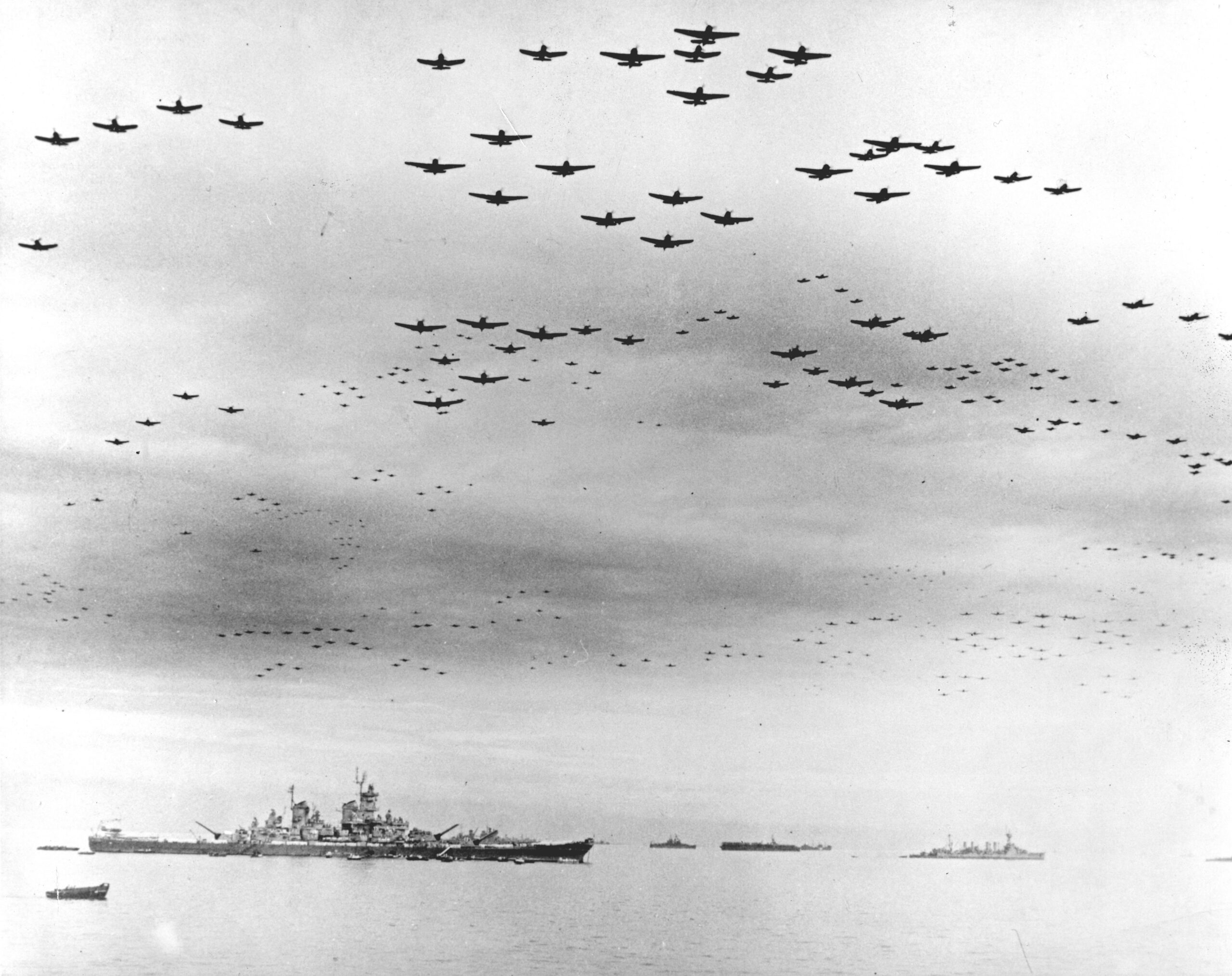
Japanese Surrender Ceremony “Show of Force”
It seemed that all of the aircraft north of Henderson Field were going to fly over Tokyo Bay as a “display of power” before, during, and after the formal surrender ceremony.
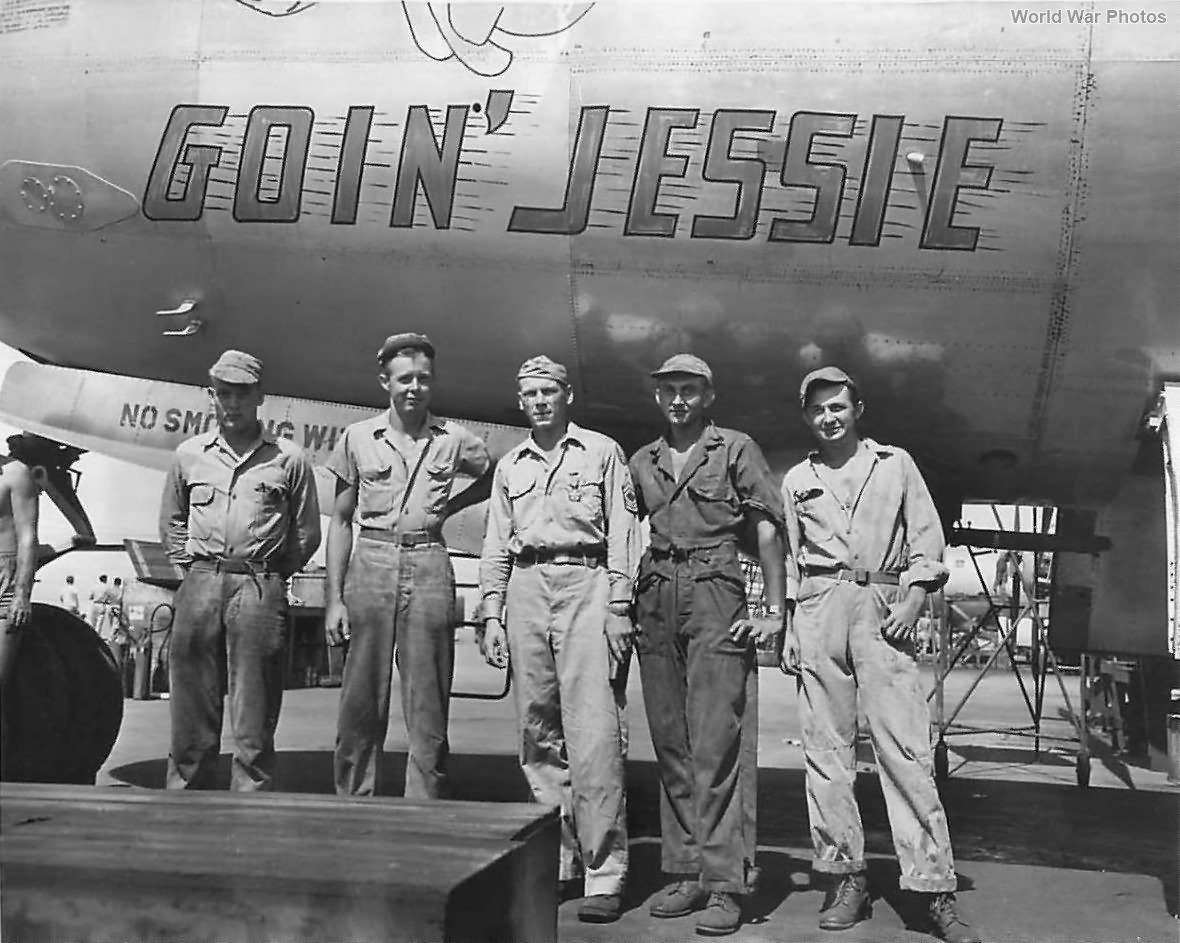
Life on Tinian – Ground Crews
Marines with automatic rifles directed traffic as the trucks hauled us to our new home. Although the marines had secured the island five months earlier, fighting was still going on. There were seven hundred battle-seasoned and extremely annoyed Japanese soldiers in the high country. The island was only twelve miles long and never more than five miles wide.

WWII Christmas Letter From Grateful POW
As a member of the Vander Schans crew my most enjoyable experience as far as missions go was to drop supplies to the POW camps. We were assigned to fly over to Saipan where our aircraft was loaded with pallets for the camps. A couple of us thought we should enclose a note and a news magazine that we had.
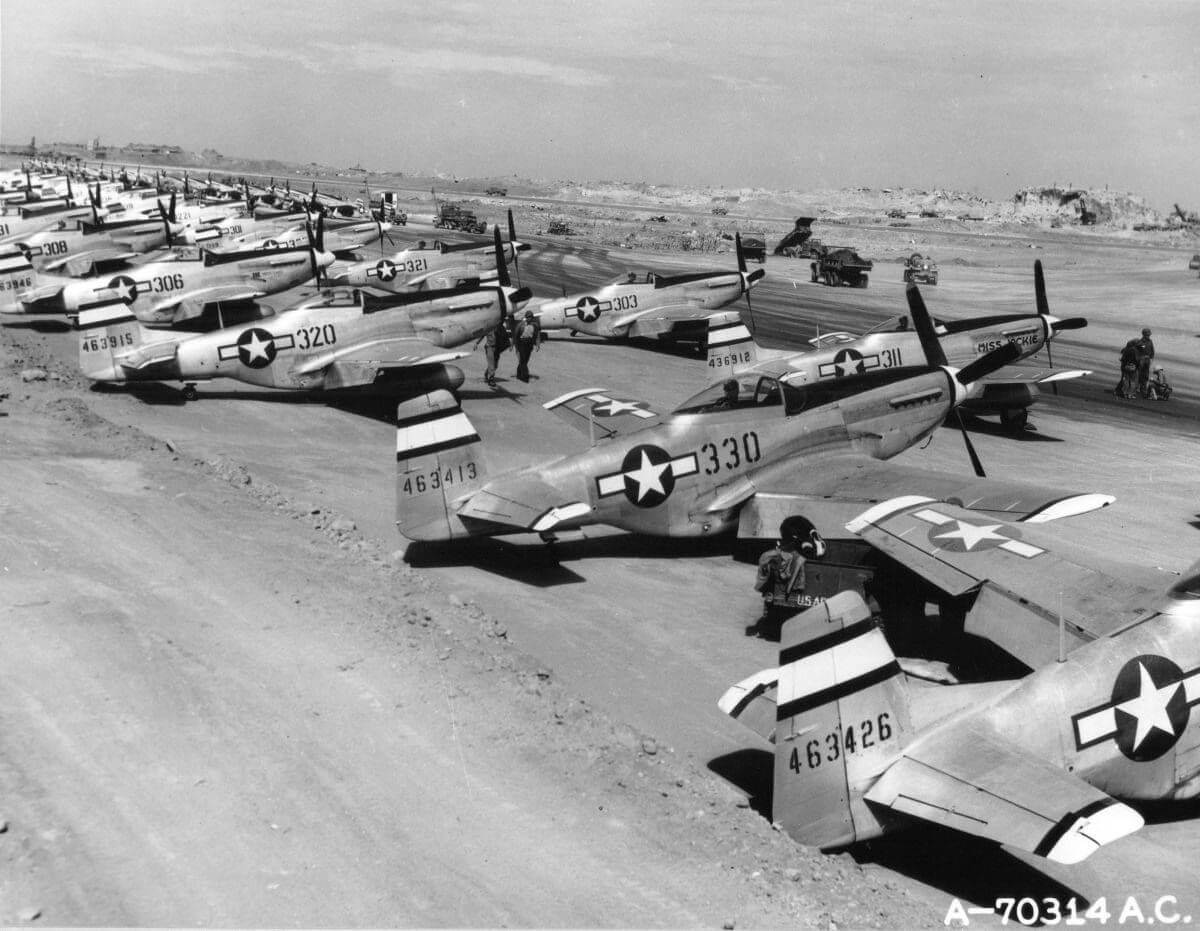
FORECAST: DISASTER — 27 P-51s COLLIDE IN BAD WEATHER
In May 1945, our bomber crew was selected to fly from Tinian to Iwo Jima where, with 9 other B-29s, we would act as navigational escorts for a maximum P-51 fighter assault on the Japanese mainland. The mission was not a happy one, nor am I proud to have been a part of it.
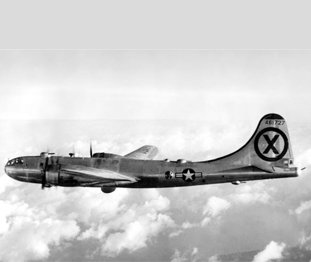
DELAYED CAPTURE SAVED MY LIFE
I flew only one combat mission to the Japanese Empire. You will note I said TO the Empire - THAT mission was terminated shortly after our bombs were dropped on a flaming fire-bombed target in Kawasaki the night of April 15, 1945

We POW were first to see Hiroshima damage
News of the world’s first atomic bomb-drop by a Tinian-based B-29 known as the ENOLA GAY that devastated the city of Hiroshima was fresh in our minds on August 8, 1945 [two days after atomic bomb drop], as we made our way toward our target of the day, the steel manufacturing city of Yawata

Nagasaki Atomic Bomb Nearly Lost in Transit From U.S.
Scott B. Davis Honorary member 509th Composite Group (1944-1946) © 2025 Scott B. Davis. All Rights Reserved Additional content copyright © 2025 6th Bomb Group Assoc. All Rights Reserved Editor’s Note: This article is an excerpt from author Scott B. Davis’ document Top Secret 509th – The Atomic Bomb Group. Title, pictures, links and highlights have been added [...]

Pacific War: B-29 Blasted Upside Down Firebombing Japan
During the low level nighttime firebombing raid over Osaka on March 13, 1945, a Japanese military arsenal violently exploded hurling a directly overhead B-29 upward 5000 feet, flipping it upside down and into a slow roll, high speed death dive to the ground.
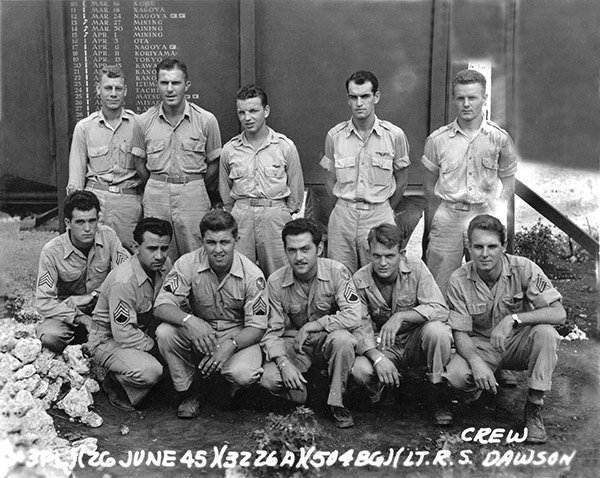
We Flew Search and Rescue for Atomic Bombing of Hiroshima
The top secret atomic bombing mission of Hiroshima was even kept from the Search and Rescue teams for that mission. B-29 Flight Engineer Lawrence Stewart tells the fascinating story of his Search and Rescue assignment for the Hiroshima bombing and what he was told.
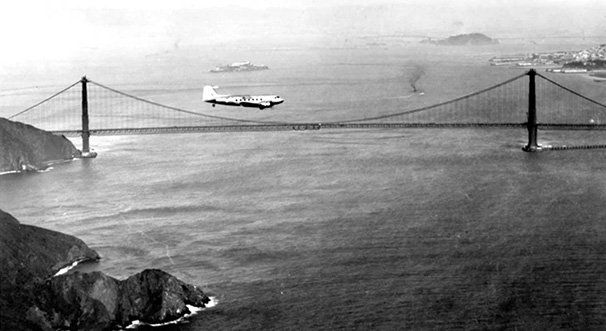
Completed Tour of Duty – Looking Back, Going Home
B-29 Flight engineer Lawrence Stewart reflects on his war experience and the path crews took to getting home from the Marianas.

100 Flak and Bullet Holes from One Mission
The B-29 crew survived a massive Japanese fighter and flak attack that destroyed one engine and punctured their aircraft with some 100 flak and bullet holes.

Horrifying Flirt with Ditching Our B-29
Their B-29 was violently shaking and rapidly losing altitude from a damaged engine that had caught fire. The crew faced ditching in the middle of the Pacific.
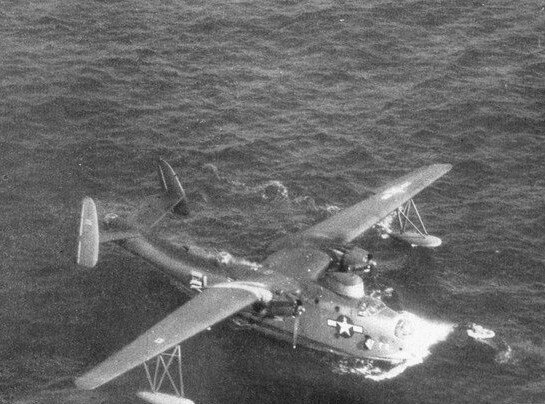
Search and Rescue – Submarines and Dumbos
Search and rescue submarines, destroyers and aircraft operated between the Marianas and Japan to rescue downed B-29s. B-29 crews were periodically assigned to search and rescue as a part of their mission duty.

First B-29 Landing on Iwo Jima
The 9th BG B-29 Dinah Might made an emergency landing on Iwo Jima on March 4, 1945 while the Battle of Iwo Jima was still ongoing. The crew took Japanese mortar fire while frantically repairing a gas valve.
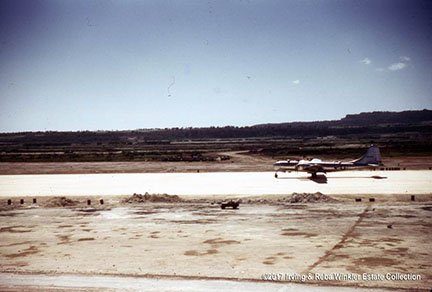
Prep and Fear of the Take-Off and Mission
The tension of the take-offs with about 138,000 pounds gross weight including over 7,000 gallons of high octane gas and ten tons of bombs can never be passed on to a reader of these memoirs. It can't be done. You yourself would have had to have been there as we bounced down the runway hoping and praying. The only voices to be heard were those of the airplane commander and the pilot as they checked off increasing airspeed, etc. The rest of the crew were praying in silence. "Dear God please help us to survive another take off, another mission and return us safely to Tinian, Amen."” – Newell Penniman.
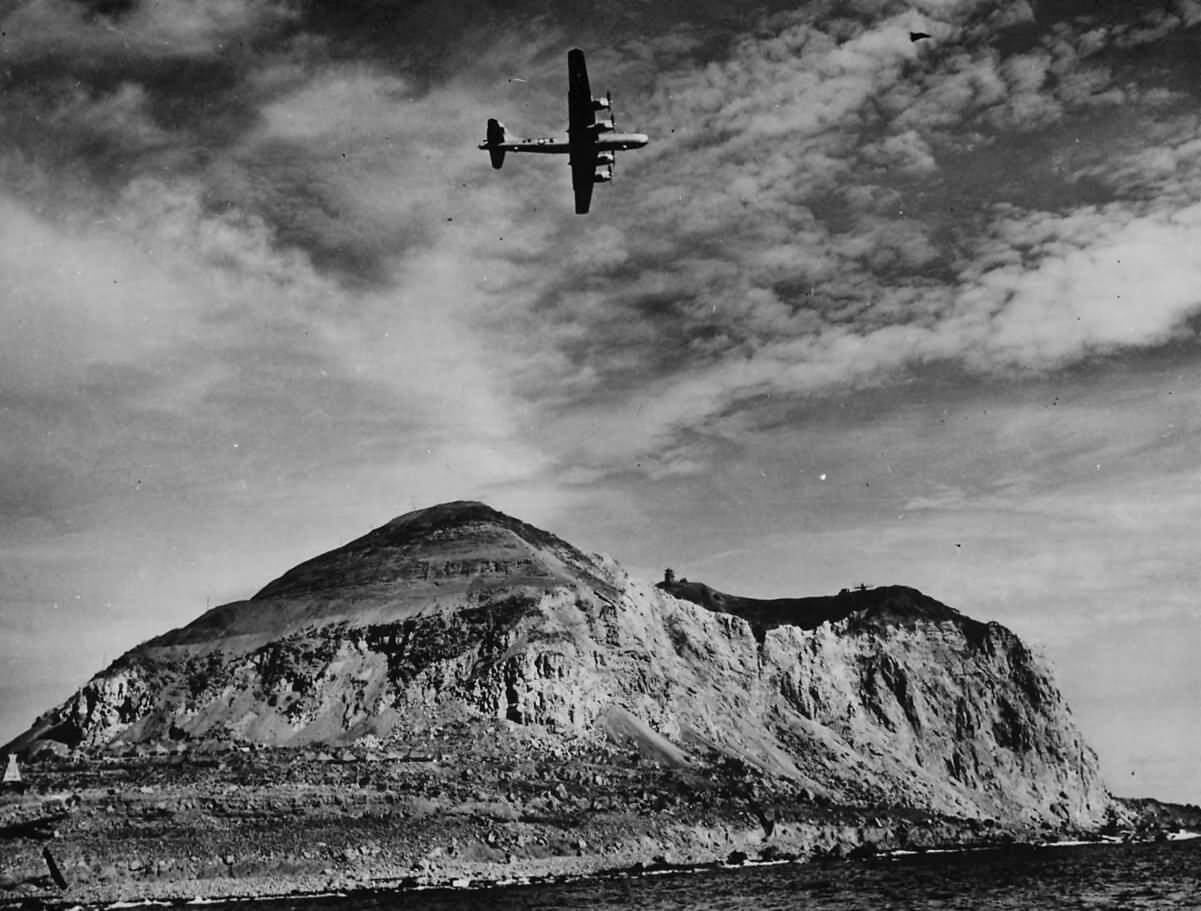
Emergency B-29 Landing at Iwo Without Brakes
Taking a crippling flack hit over Tokyo, Newell Penniman's B-29 crew was forced to make an emergency landing at Iwo Jima without brakes. To partially overcome the loss, the gunners tossed their parachutes out the exits of the plane upon landing. Read the first-hand story..
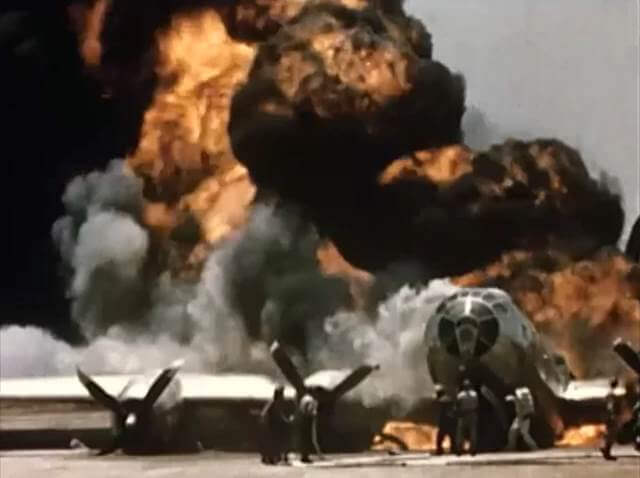
Explosive B-29 Crashes
The USAAF lost 267 B-29s to engine fires, mechanical failures and takeoff crashes, nearly twice as many as from enemy fire during the Pacific War. B-29 crashes involving heavy fuel and incendiary bomb payloads were violently explosive. The up close experience of explosive B-29 crashes is told first hand by Donald Kearney who served as a runway flagman at North Field.

B-29 Over Cliff Take-Off
During the Pacific War, Ed Vincent initiated the unusual take-off procedure of driving his B-29 bomber over the edge of the 80 foot cliff which terminated the Tinian Island runway at North Field. The drive-off afforded valuable extra air speed at level flight prior to climb out as the bombers were invariably overweight in bombs and fuel load.
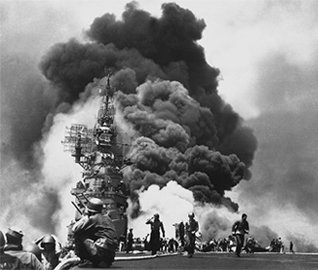
B-29’s Helped Neutralize Japanese Kamikaze Forces
From October 1944 to the end of the Okinawa campaign, the Japanese flew 2,550 Kamikaze missions, of which 475, or 18.6 percent were effective in securing hits or damaging near misses. Warships of all types were damaged; approximately 45 vessels were sunk, causing great concern to the U.S. military. 2000 B-29 sorties were diverted from direct attacks on Japanese cities and industries to successfully striking Kamikaze air fields in Kyushu to help neutralize the Kamikaze threat.
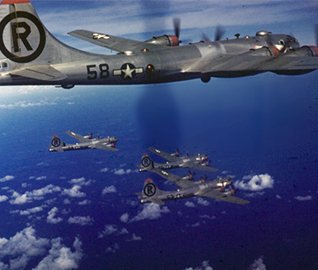
B-29 Discovery of the Jet Stream
The existence of the high altitude "jet stream" was a military surprise discovered by B-29 crews during the bombing of Japan in 1944-45. Winds encountered at the B-29's designed bombing altitude of 30,000 ft reached 300 mph, fully disrupting bombing accuracy and even causing negative ground speed under full throttle.

4000 Lb. Bombs! – Kawasaki Aircraft Plant – June 9, 1945
4000 lb bombs were so huge B-29's could only carry three of them. The planes dramatically jumped upward on their release and about a minute later felt the concussion wave of the bomb's horrific explosion three miles below. The bombing raid on the Kawasaki Aircraft Plant in June 1945 with 4000 lb bombs proved ineffective because the B-29 formation was forced to bomb by radar, missing the aircraft plant by 3000 ft!

Iwo Jima: The Marines Did It For The B-29s
The severely wounded crew limped their flak crippled B-29 700 miles on two engines and lost steering control to the safety of Iwo Jima, which the Marines had taken months earlier. Unable to land, the crew bailed over the island. Co-pilot Harry George's fiancé made her wedding dress from the parachute that saved his life. Read the harrowing story
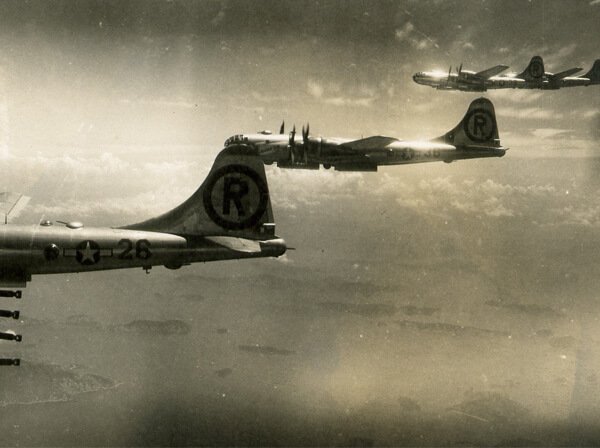
LeMay’s New Strategy Shook the Hell Out of Us
From the start of our training at Grand Island, Nebraska to our shake-down missions from Tinian, all operations were aimed at high altitude, precision bombing. Our B-29’s were designed for the same thing. Starting with the 58th Wing’s first raid on the Japanese homeland from China and continuing with the huge effort from the Marianas Islands, the high-altitude bombing strategy was a failure.

Effects of the Atomic Bombs
Effects of the Atomic Bombs is a sub-chapter excerpt from the U.S. Strategic Bombing Survey Summary Report. The Survey “secured Japanese records, interrogated top Japanese Army and Navy officers, Government officials, industrialists, political leaders” and civilians throughout Japan.


